Pillow cover materials influence comfort, durability, and hygiene in sleep environments. This category encompasses functional covers designed to protect pillows while preserving softness, breathability, and color stability. Understanding fabric weights, weave types, and care guidelines helps match pillow covers to daily habits and room conditions such as humidity and temperature fluctuations.
Common pillow cover fabrics include cotton, cotton blends, and organic options chosen for skin contact safety and ease of maintenance. Breathable weaves reduce heat retention, while tightly woven canvases offer improved resistance to staining and pilling. Certification labels, such as Oeko-Tex or GOTS, indicate quality standards relevant to bedding and nursery use.
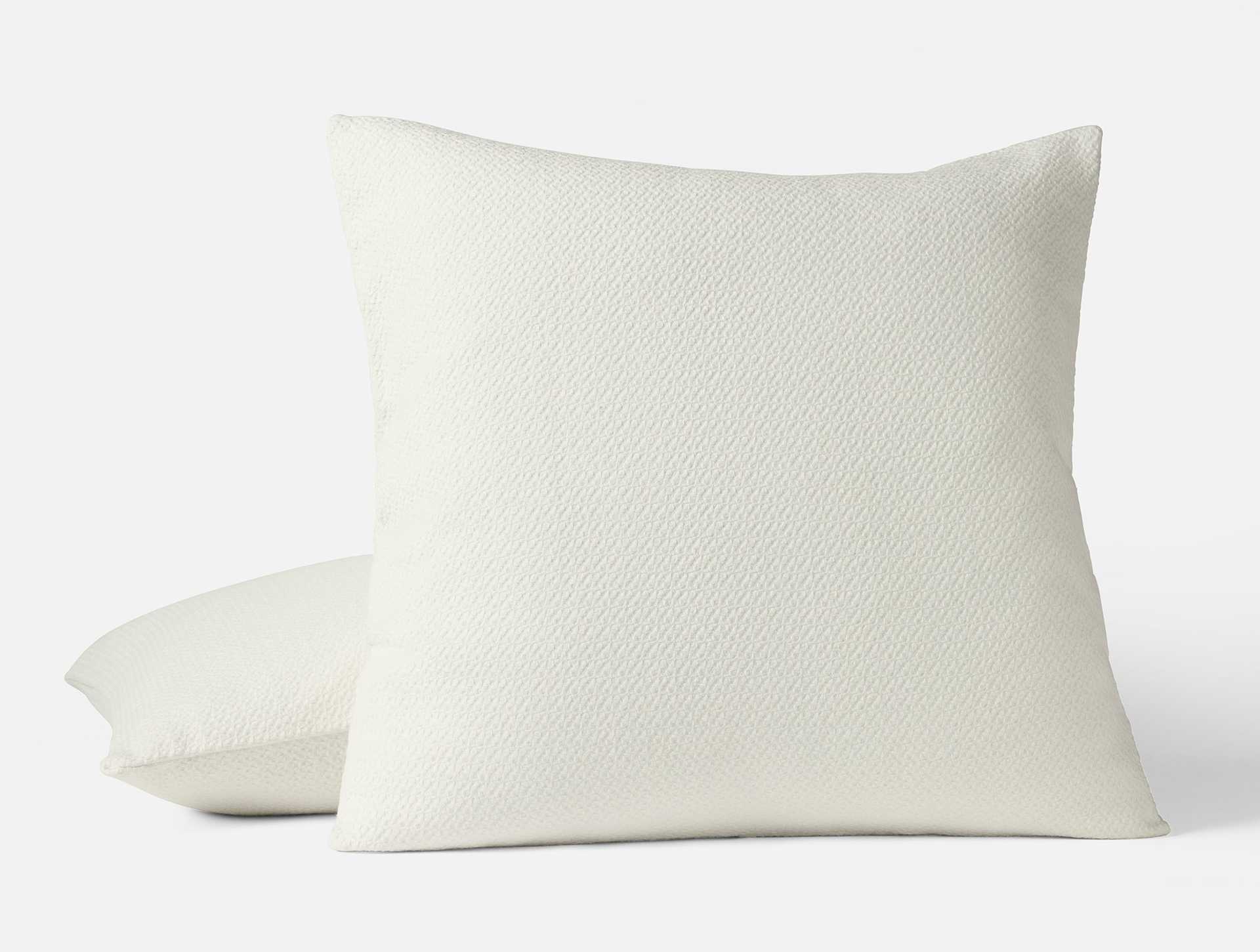
The Honeycomb Organic Euro Sham exemplifies a pillow cover designed for both comfort and practicality. Its honeycomb texture enhances cushioning while maintaining airflow, contributing to a cooler sleep surface. Organic cotton fibers support lower exposure to potential irritants and align with hygienic bedding practices suitable for varied environments.
Key features to consider include weave structure, thread count range, closure type, and care requirements. A secure zipper or envelope closure helps keep inserts in place, while colorfast dyes minimize fading with repeated washing. For nursery and child-safe settings, selecting non-toxic finishes reinforces a health-conscious bedding choice.
Functional benefits of pillow covers extend beyond aesthetics. Properly chosen covers protect pillow fills from oils, sweat, and moisture, extending pillow life and reducing washing frequency. When paired with compatible pillow inserts, they support consistent support, allergen reduction, and overall sleep quality across bedding systems, including sheets and nursery setups.
 Bedding