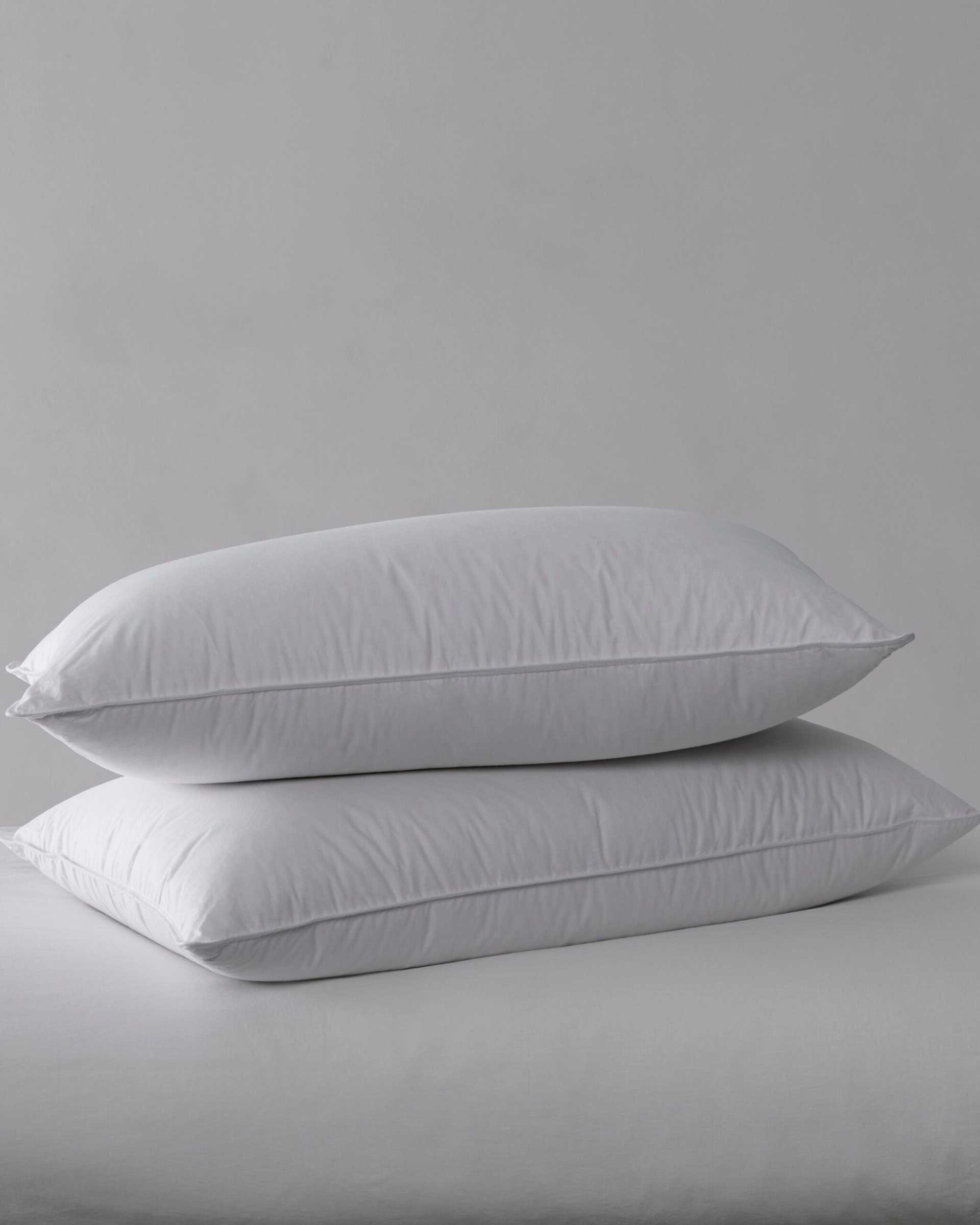
Pillows play a crucial role in comfort, sleep quality, and breathability, with materials and construction influencing support, temperature, and allergy considerations. This category examines common pillow types, their ergonomic benefits, and how fill choices affect loft, responsiveness, and pressure relief. Understanding these factors helps readers select bedding that aligns with sleep posture and personal sensitivities while considering air quality and indoor environment.
Healthy Choice Organic Wool Pillow leverages natural wool fibers to regulate moisture and temperature, offering breathable loft and gentle support for head and neck alignment. Wool’s inherent resilience helps maintain shape over time, reducing collapse and minimizing heat buildup, which is relevant for sleepers seeking year-round comfort and a healthier sleep space.
Downright Himalaya Gusseted 700 or 800 Down Sleeping Pillows provide a luxury feel with high loft and plush fill while incorporating a gusset to preserve shape during movement. Down alternatives or blends may enhance airflow and softness without sacrificing support, making these pillows suitable for varied sleep positions and preference for a plush yet supportive experience.
Feather Pillow options emphasize softness and lightweight support, often featuring plumes that offer responsive cushioning and a gentle cradle for the head. Feather-filled designs can vary in loft and fill weight, affecting sinkage and neck alignment, and they are commonly paired with breathable coverings to support air circulation in the sleeping environment.
In considering pillows alongside air purifiers and filtration systems, it is important to note how fabric choices, fill materials, and cover fabrics interact with indoor air quality and allergen exposure. Selecting pillows made from natural, breathable materials can complement cleaner air environments in nurseries and bedrooms, supporting overall well-being and restful sleep.
 Bedding