Indoor Air Quality & Nursery Planning
Planning a Nursery Filtration Setup Around Room Layout and Bedding
A nursery air purifier can be a useful part of a cleaner indoor environment—but it works best when it fits the room, the furniture, and the routines of everyday family life. A little advance planning can help preserve airflow, keep controls accessible to adults, and keep cords and equipment safely out of a child’s reach.
Published October 15, 2026
Preparing a nursery often begins with the details families can see and touch: the crib, the changing table, the soft sheets, and the small lamp that makes late-night care easier. Air filtration is less visible, but it deserves a place in that plan. A stand-alone purifier needs space around its intake and outlet, a power source, room to be maintained, and a position that does not interfere with safe movement through the room.
That does not mean the nursery needs to become a complicated engineering project. The practical goal is to choose a unit suited to the room and place it where it can operate as its manufacturer intends. Bedding and routine cleaning can support a thoughtful indoor-environment plan, but they are not substitutes for filtration—and filtration does not replace ordinary cleaning, ventilation when appropriate, or safe-sleep practices.
Here’s how to bring those pieces together, from measuring the room to deciding whether the purifier belongs near a wall, across from the crib, or somewhere else entirely.
Start With the Room, Not the Product
Before comparing machines, take a quick inventory of the nursery. Measure the floor area and note the shape of the room, the location of doors and windows, built-in shelving, heating or cooling vents, and the furniture that is likely to stay. A simple sketch can reveal an open corner or a clear stretch of wall that may not be obvious while you are standing among boxes and folded blankets.
Room area is a useful first measure, but it is not the whole story. Ceiling height, how the room connects to the rest of the home, and whether the door is generally open or closed can affect how air moves through the space. The purifier’s stated coverage and recommended operating conditions should therefore be read as planning information—not as a promise that every room will perform identically.
Check how the manufacturer defines coverage. Some specifications are based on a particular room size, airflow setting, or number of air changes per hour. Those details matter: a machine’s maximum coverage at its loudest setting may not reflect how a family will actually use it overnight. Look for the guidance that best matches the intended setting and the way you expect the unit to run.
- Measure the room’s length and width, then calculate the floor area.
- Note obstacles that could block air intake or discharge.
- Consider the room’s regular use, including whether the door stays open.
- Compare the manufacturer’s capacity guidance with the nursery’s actual dimensions.
- Keep the manual available for placement, operating, and maintenance instructions.
Give Air a Clear Route In and Out
A purifier is not a decorative object to tuck into the narrowest gap between furniture. Its intake must be able to draw air in, and its outlet needs room to send filtered air back into the space. If a curtain, laundry basket, crib skirt, pile of soft toys, or dresser sits directly against the unit, airflow may be restricted. That can interfere with the operation described by the manufacturer and make the setup less practical.
There is no single placement rule that suits every model. Some units draw air from the sides, others from the back or around the body, and outlet direction varies too. Check the required clearances in the manual rather than relying on a generic distance. If the instructions call for open space on particular sides, preserve it even if another arrangement looks tidier.
It is sensible to avoid placing the purifier where it blows directly toward the crib, especially if the airflow or sound would be disruptive. But do not assume that a particular corner or a specific distance from the bed guarantees a better result. The manufacturer’s airflow guidance, the room layout, and the family’s comfort are the right starting points. When in doubt, choose a stable, open location and check that air can circulate around the appliance.
Heating and cooling vents deserve a second look. A purifier placed immediately beside a strong supply vent may not behave as expected, and a vent should not be covered by furniture or the machine. Follow the purifier’s guidance and keep the home’s air registers unobstructed. A quick test after setup—checking for blocked grilles, rattling, or a curtain moving into the intake—can catch an avoidable problem.
Plan for Reach, Cords, Spills, and Stability
In a nursery, placement is also a safety decision. Choose a stable, level surface or floor location as directed by the manufacturer, and keep the unit where a child cannot pull it over or reach its controls, grille, or cord. Babies grow quickly; a spot that feels out of reach during the newborn stage may be within reach once a child can roll, crawl, pull up, or explore the room.
Route the power cord so it does not cross a walking path, run beside the crib, or hang where it can be tugged. Avoid running cords beneath rugs or placing them where they could be pinched by furniture. Use the manufacturer’s instructions and applicable electrical-safety guidance, and do not improvise with extension cords if the product instructions do not permit them.
Think about spills and everyday care, too. A spot beside a humidifier, changing station, water container, or frequently used drink might be convenient until something gets knocked over. Keep the purifier away from likely splashes and follow any warnings about moisture. Leave enough room to reach the controls, check the filter, and clean the exterior without dragging the appliance around the nursery.
Finally, consider the route adults take at night. The machine should not become an obstacle between the door, the crib, and the changing area. A quiet, open corner may be more useful than a seemingly ideal position that makes the room harder to navigate in low light.
Think About Sound and the Reality of Overnight Use
Noise can shape whether a purifier is used consistently. A unit that is easy to tolerate during the day may feel different during a quiet nighttime feed. If the model offers several speeds, review the sound information for the settings you expect to use, rather than judging it only by the highest setting in a showroom or product description.
Controls and indicator lights matter in a bedroom as well. Check whether the unit has a dimming option, a display-off mode, or controls that are simple to adjust without moving the appliance. Features vary, so confirm the details in the current product manual. If a sound seems unusual, or the unit vibrates against a wall or piece of furniture, make sure it is stable and has the clearance the manufacturer requires.
There is no need to treat the purifier as a replacement for attention to the baby’s sleep environment. Follow current safe-sleep guidance from qualified health authorities, and keep the crib arranged according to that guidance. A filtration device should be positioned so that it does not intrude into the sleep space, create cord hazards, or encourage the use of unapproved bedding or accessories.
Bedding Belongs in the Plan, but It Has a Different Job
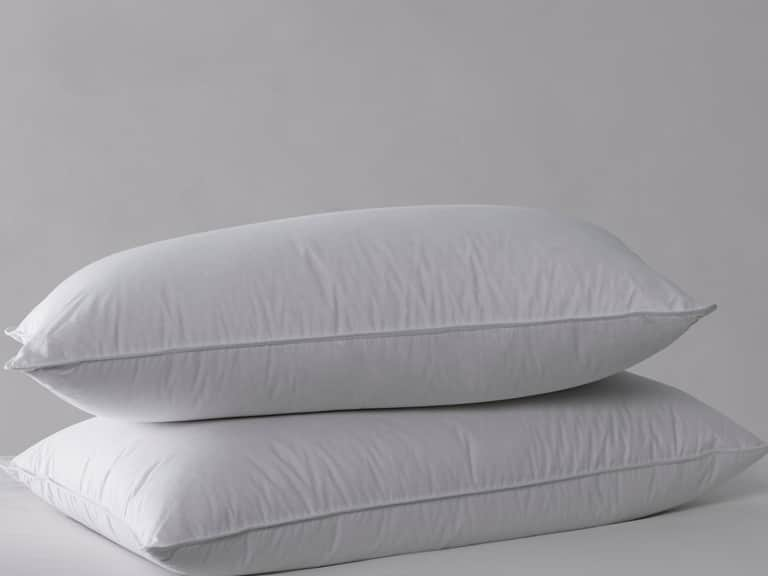
Sheets, pillowcases, blankets, and mattress covers are part of the nursery’s everyday environment. Regular laundering and a tidy room can help limit the accumulation of dust and lint on surfaces. But fabrics do not filter the room’s air in the way a properly operating air cleaner is designed to, and an air purifier does not clean bedding. These are complementary parts of household care, not interchangeable solutions.
When choosing nursery textiles, focus on practical care, comfort, and the product’s intended use. A breathable fabric may feel comfortable, but “breathable” does not mean it removes airborne particles. Likewise, organic or natural-fiber certification describes aspects of materials or production; it should not be read as proof that a fabric prevents allergens or improves air quality.
Wash bedding according to its care instructions and keep a manageable rotation so clean items are available when needed. A fitted sheet that fits the mattress as intended and can be laundered conveniently may be a more useful everyday choice than a complicated set of extras. Keep decorative bedding and loose items out of the crib when current safe-sleep guidance advises against them.
Dust can settle on surfaces even when a purifier is running. A regular routine—such as laundering sheets, cleaning the floor and nearby surfaces, and checking for visible dust—can address what filtration alone cannot. Use cleaning products as directed, provide ventilation when recommended, and store supplies securely away from children.
Choose Filtration for the Need You Actually Have
“Air purifier” covers a range of devices and technologies, so it pays to read beyond the headline claim. A HEPA filter is designed to capture particles under specified test conditions, while activated-carbon media are used to adsorb some gases and odors. Those are different functions, and a product’s exact capabilities depend on its design, filter configuration, airflow, and testing information.
Look for clear statements about the filter type, the room-size assumptions, the recommended operating setting, and replacement or cleaning requirements. Be cautious about broad claims that a device eliminates every pollutant or provides medical protection. A purifier should not be treated as a guarantee against illness, a substitute for medical advice, or a replacement for addressing a pollution source when one can be identified.
For families comparing a stand-alone unit with central HVAC filtration, the two approaches serve different practical roles. A portable purifier is dedicated to the room where it operates, while a central system works through the home’s heating or cooling equipment. Any change to an HVAC filter must be compatible with the system, as a filter that is too restrictive can affect airflow. Consult the equipment manufacturer or a qualified professional before making changes to central systems.
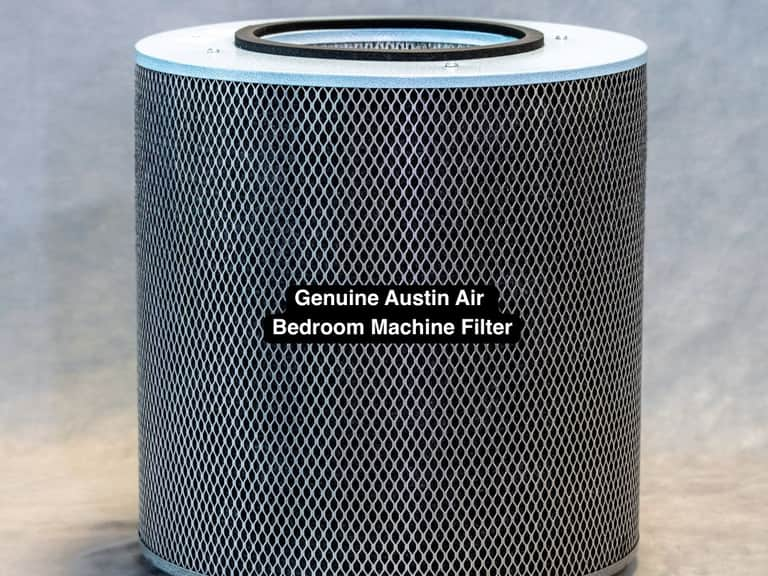
Replacement parts are part of the real cost and workload. For example, the Bedroom Machine Filter is a replacement filter specified for its matching Bedroom Machine unit, with a stated five-stage design and a five-year service life under normal use. That information is model-specific: it does not mean the filter fits other purifiers or that every household will experience the same service interval. Check compatibility, usage conditions, and the current manufacturer guidance before buying or replacing any filter.
Make Maintenance Easy Enough to Keep Up
A purifier only makes sense as a long-term part of the room if its care is manageable. Before settling on a spot, make sure an adult can reach the filter compartment and remove the filter without shifting the crib or disturbing other furniture. If the machine is awkward to access, the task may be easy to postpone—especially during the busy early months of family life.
Follow the instructions for cleaning the exterior, checking prefilters, and replacing or washing components. Not all filters are washable, and washing a filter that is not designed for it can damage the media. Similarly, a timer or indicator is a helpful prompt, not a reason to ignore the product’s written guidance. Keep a note of installation dates and use the specified replacement schedule as your reference.
Filter life can vary with operating time, household conditions, and the product’s design. Dust, smoke, renovation activity, pets, and other sources can affect how quickly a filter needs attention. Do not assume that a long advertised life applies in every circumstance. If an indicator appears, airflow changes, or the unit is operating differently, consult the manual for the appropriate next step.
Keep replacement parts and manuals organized somewhere adults can find them, not in a place accessible to a child. A simple calendar reminder can turn maintenance from a vague intention into a routine. When replacing a filter, follow the instructions for handling and disposal, and avoid disturbing accumulated dust unnecessarily.
A Room-by-Room Placement Walk-Through
Imagine the nursery as a set of everyday zones. The crib and sleep area need to remain clear and arranged according to safe-sleep guidance. The changing station needs room for an adult to move safely and reach supplies. The door-to-crib path should remain open. The purifier can then be considered for a stable area that is outside these active zones while still meeting the appliance’s airflow and clearance requirements.
Try a few possible positions on paper before plugging anything in. A corner may appear convenient but could be blocked by curtains; a spot near the dresser may leave too little space to reach the filter cover; an open area beside the door may narrow the nighttime path. The best placement is usually the one that balances several modest needs rather than maximizing one feature at the expense of everything else.
Once the unit is in place, check the room from a child’s future point of view. Are there reachable buttons, grilles, cords, or loose objects nearby? Could the appliance be pulled, climbed on, or tipped? Is the power cord secured and routed safely? Revisit these questions as the child grows and the room’s layout changes.
Run the purifier according to its instructions, then listen and look. Is the sound acceptable at the chosen setting? Is any fabric drawn toward an intake? Does the outlet blow directly at a place where the child sleeps or spends time? If something feels off, switch the unit off before adjusting its position, and check the manual for any relevant placement rules.
A Simple Nursery Filtration Checklist
- Measure: Record the room’s dimensions and compare them with the purifier’s stated capacity and operating guidance.
- Map: Mark the crib, doors, windows, vents, furniture, and normal walking routes before choosing a location.
- Clear: Preserve the intake and outlet space required by the manufacturer; keep curtains, laundry, and toys away from vents.
- Secure: Place the unit on a stable surface and route cords away from the crib, walkways, and a child’s reach.
- Consider comfort: Review sound and display options at the settings likely to be used overnight.
- Maintain: Make filter access convenient, follow the manual, and keep a record of service dates.
- Keep roles clear: Use cleaning and laundering for surfaces and fabrics; use filtration for the air the device is designed to treat.
- Reassess: Review placement as furniture changes and as the child becomes more mobile.
Common Questions About Nursery Filtration
Should a purifier go beside the crib?
Not necessarily. Follow the unit’s placement instructions and choose a stable location that keeps the device, airflow, and cord out of the crib area and away from a child’s reach. Avoid positions that make the walking path awkward or place the outlet directly toward the sleep space.
Can organic bedding replace an air purifier?
No. Bedding materials and filtration serve different purposes. Fabric choice can affect comfort and care, but certification or fiber type does not mean the bedding filters room air. A purifier also does not remove dust that has already settled on sheets or furniture.
Can a unit be placed in a corner?
It depends on the model and the available clearance. A corner may work if the intake and outlet remain unobstructed and the manufacturer permits that arrangement. Check the instructions rather than assuming every purifier can be pushed against a wall.
How often should a filter be changed?
Use the schedule and conditions supplied for the specific unit and filter. Service life differs by product and can be affected by use and the environment. Do not apply one brand’s interval to a different model.
Does filtration mean the room does not need cleaning?
No. A purifier is one element of an indoor-environment plan. Laundering bedding, cleaning surfaces, and following appropriate ventilation and source-control practices still matter. Use each measure for the job it is intended to do.
The Best Setup Is the One That Fits Daily Life
A nursery filtration plan does not need to be elaborate to be thoughtful. Start with the room’s real dimensions, choose a purifier whose stated capacity suits the space, and give it the clearance its manufacturer requires. Then account for sound, cords, spills, maintenance, and the routes adults use when caring for a child.
Keep the larger picture in view: bedding can be washed and surfaces cleaned, but neither task is the same as filtering air. A stand-alone purifier may be a useful tool, but it is not a substitute for safe-sleep practices, careful product use, or professional guidance when a specific health concern arises. When layout and routine work together, the result is not a perfect nursery—it is a practical one, designed to support everyday care without making the room harder to use.