Bedroom Air Quality
How Wool Bedding Fits Into a Bedroom Air-Quality Plan
A comfortable bedroom is made from many small choices: the pillow under your head, the way fresh air moves through the room, and whether an air purifier is doing its job. Wool bedding can contribute to a pleasant sleep setup, but it is not an air filter. Knowing what each part can—and cannot—do makes it easier to create a room that feels restful without expecting any one purchase to solve every air-quality concern.
Published November 16, 2026
Two different jobs in the same room
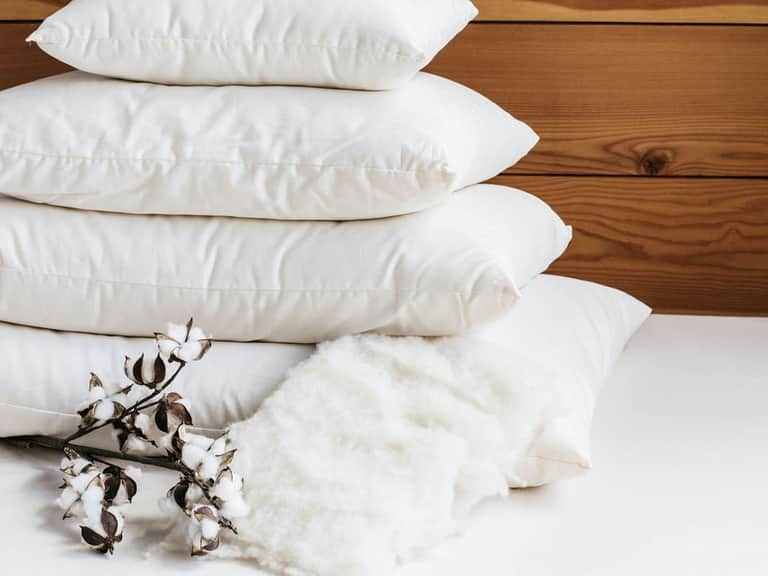
Wool pillows have a devoted following for understandable reasons. Wool fill has a distinctive springy feel, can be shaped to suit different preferences, and is often chosen by people who like a breathable, natural-fiber option. A well-made wool pillow may feel supportive and comfortable through the night. Those qualities matter: the bed is where you spend hours at a time, and a sleep environment should feel inviting, not like a laboratory.
But bedding and an air purifier work in different ways. Wool bedding is a material you sleep on or under. It can influence comfort and how the bed feels against your skin, and some people appreciate the way wool manages moisture within the bedding itself. A HEPA air purifier, by contrast, moves room air through a filter designed to capture airborne particles. The distinction is simple, but important: a wool pillow does not clean the air circulating around the bed, and an air purifier does not make a pillow more supportive or comfortable.
Think of the bedroom as a small team. Bedding supports comfort. Ventilation brings outdoor air in and helps indoor air circulate, when conditions and the building allow. Source control means reducing pollutants where they begin. Filtration can remove some particles from the air that passes through a properly sized and operated purifier. Each has a role; none should be mistaken for the whole plan.
What wool bedding can bring to a sleep setup
People often choose wool because they like its feel, its natural resilience, or the way it works as a bedding fill. A wool pillow may compress somewhat with use and recover when fluffed, while its loft and firmness depend on its construction, fill quantity, and care. The right option is personal: a side sleeper may prefer a different pillow height from someone who sleeps on their back, and comfort can vary from one person to another.
Wool is also valued for moisture management within textiles. That can be a welcome quality in bedding, where warmth and perspiration affect how comfortable a person feels. It does not mean wool removes humidity from an entire bedroom or prevents mold in the room. If a bedroom is persistently damp, the useful response is to investigate the source, improve moisture control, and address any building or ventilation problem—not to rely on a pillow or blanket to correct it.
Material labels can help clarify what you are buying. For example, the Certified Organic Wool Bed Pillows are described as layered wool batting in an organic cotton sateen case, with a hand-built construction. The product information notes that wool layers can settle over time and recommends spot cleaning and periodic airing. Those are practical details to consider when comparing bedding, alongside loft, feel, care requirements, and the certifications stated by the maker.
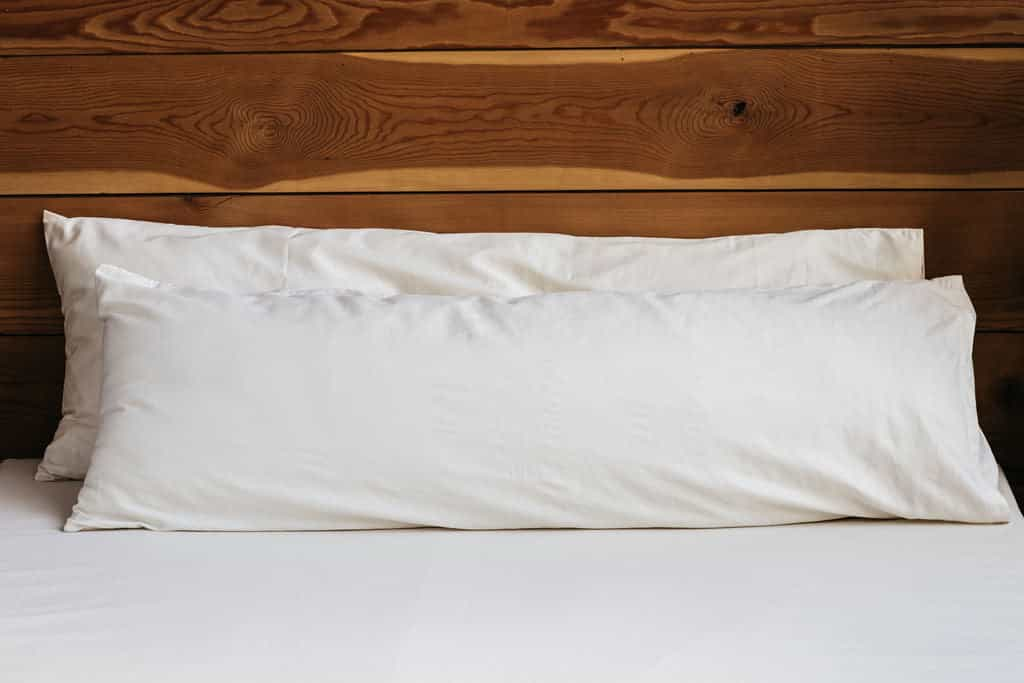
For someone looking for a longer pillow to support side sleeping, the Certified Organic Body Pillows use GOTS-certified organic wool fill and undyed organic cotton fabric, according to the product description. A body pillow may change how a person positions their arms or legs for comfort. That is a bedding and sleep-position choice, not an air-cleaning strategy.
Natural materials are not automatically right for every sleeper, and a product’s material does not prove a medical benefit. If you have a wool sensitivity, a relevant allergy, or a specific health concern, check the materials carefully and seek appropriate professional guidance. The goal is a comfortable, manageable setup—not a claim that one fiber is universally best.
What a HEPA purifier does—and what the label does not tell you
HEPA stands for high-efficiency particulate air. A HEPA filter is designed to capture particles as air passes through it. In a portable air purifier, the device’s fan draws room air into the unit, moves it through its filter system, and returns filtered air to the space. The result depends not only on the filter material but also on the complete appliance, its airflow, how it is used, and whether the filter is installed and maintained as directed.
A filter’s efficiency is not the same as a promise that every particle in a room disappears immediately. Air is continually moving, and particles may come from people, pets, cooking, outdoor air, or other indoor activities. Some settle on surfaces; some remain suspended. The purifier only treats air that reaches it. A powerful filter in a unit that is switched off—or placed where its intake and outlet are obstructed—cannot provide the same practical benefit as a suitable unit operating consistently in a clear location.
It is also useful to distinguish particles from gases and odors. HEPA filtration addresses particles; it does not, by itself, remove every gas or odor. Some purifier models add activated carbon or other media intended for certain gases, but performance depends on the design and amount of media, the substance involved, and the conditions of use. Read product claims carefully and avoid assuming that “air purifier” means every type of indoor pollutant is handled equally.
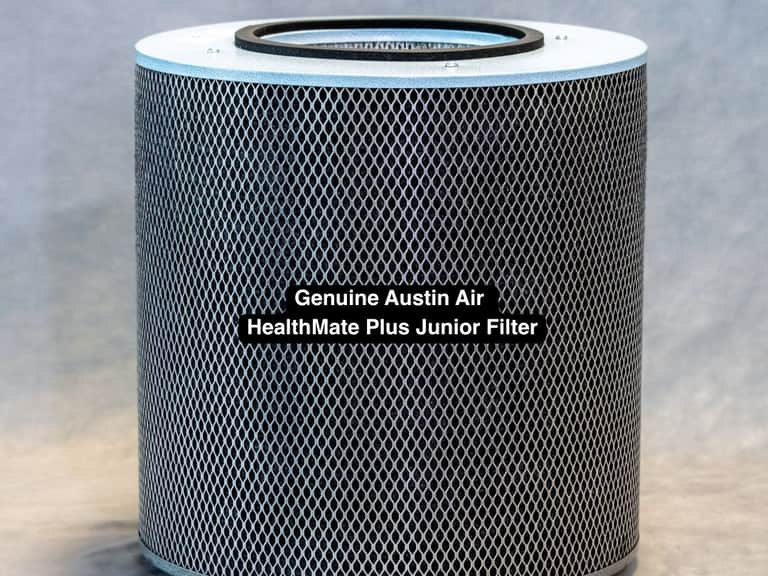
Product terminology can be confusing. Look for the manufacturer’s specifications, the room-size guidance, the filter type, and any independently reported performance information. Pay attention to the whole machine rather than treating the word “HEPA” as a guarantee of a particular room outcome. A replacement filter, for instance, only fits into a compatible purifier; it is not a stand-alone device.
Start with the room, not the shopping cart
Before choosing a purifier, consider the bedroom itself. Measure or estimate its floor area, note the ceiling height if it is unusually high, and think about how the room is used. Is the door usually shut? Is there a pet? Does outdoor smoke occasionally affect the area? Is the main concern dust, seasonal pollen, or something else? These questions help you decide what a device needs to do and whether a portable unit is a sensible part of the plan.
Room-size recommendations are useful starting points, but they are not interchangeable across every purifier. Manufacturers may base them on different assumptions, including how quickly air is cleaned or how much airflow a device provides. Where available, look for a clean air delivery rate (CADR) and compare it with the room and the intended use. A unit that can move more filtered air may be run at a lower, quieter setting in some circumstances, but noise, airflow, and the manufacturer’s guidance all matter.
Air changes per hour, often shortened to ACH, describes how many times an equivalent volume of air is delivered or processed in an hour under specified conditions. It is a helpful way to think about air-cleaning capacity, but the figure depends on assumptions about room dimensions and device performance. It is not a measure of how many times every individual air molecule passes through a filter. Use the metric as a comparison aid, not a guarantee about exposure or health outcomes.
For a nursery or a small bedroom, consider the device’s sound level, controls, cord placement, stability, and the location of the air intake and outlet. A purifier should not be placed where curtains, bedding, furniture, or a wall block airflow. Keep the unit positioned according to its manual and use ordinary household safety practices, especially around children and pets. A device that is too disruptive to run may not be used consistently, so the quietest suitable setting that still meets your needs can be a practical consideration.
Placement: give clean air room to circulate
There is no single perfect spot for every bedroom. In general, place a portable purifier where it can draw in room air and release it without obstruction. Avoid tucking it behind a nightstand, squeezing it between furniture, or covering it with a blanket. Follow the clearance instructions in the manual; some models need open space around the intake or outlet.
It may be tempting to put a purifier right beside the pillow, especially if the concern is breathing-zone air. But close placement can make the device louder, and a cramped bedside corner may limit circulation. Consider the room’s layout and the direction of airflow instead. A purifier does not need to sit on the bed or touch the bedding to operate, and bedding should never block its vents.
Doors and windows affect how air moves. Opening a window may help ventilate a room when outdoor air is clean and weather conditions permit, but it may bring in smoke, pollen, pollution, or excess moisture at other times. The best choice depends on local conditions. If outdoor air quality is poor, keep windows closed when appropriate and use filtration according to the purifier’s instructions. If outdoor conditions are favorable, ventilation may complement filtration rather than replace it.
Keep the bed and other textiles clean according to their care labels. Washing pillowcases and sheets can help manage ordinary buildup on the sleeping surface, while laundering curtains or blankets as appropriate can be part of routine housekeeping. Cleaning a surface is different from filtering particles out of room air, but both may fit into a thoughtful maintenance routine.
Filter upkeep is part of performance
A purifier’s filter needs attention. A clogged or overdue filter may affect airflow, and a filter that has been installed incorrectly may not work as intended. Check the manufacturer’s replacement schedule and instructions rather than relying on a universal calendar. The right interval can vary with the unit, the filter design, operating hours, and the conditions in the room.
Some devices have an indicator light, but it may be based on time or operating conditions rather than a direct measurement of every particle captured. Treat it as a reminder to consult the manual, not as a substitute for the manufacturer’s guidance. If the manual calls for cleaning a pre-filter, use the recommended method. Do not wash or vacuum a HEPA filter unless the manufacturer explicitly says that the specific filter is washable or vacuum-safe; many filters are not designed for that treatment.
Turn off and unplug the unit before routine maintenance if the manual instructs you to do so. Follow any guidance about handling a used filter, including how to remove and dispose of it. Keep replacement filters in their packaging until needed and confirm that the model number matches your purifier. A filter that looks similar may not fit or provide the intended performance.
Wool bedding also has its own care requirements, which may differ from purifier maintenance. Some wool pillows are spot-clean only and should be aired periodically; a removable cover may be laundered separately if its care instructions allow. Avoid applying an air-purifier maintenance routine to bedding, or vice versa. One is a textile-care question; the other is an appliance-and-filter question.
Build a plan around sources as well as filtration
A bedroom air-quality plan starts with the things that introduce unwanted material into the room. If a fragrance, cleaning product, hobby material, or other source is causing concern, reducing or changing the source may be more direct than trying to filter it after it disperses. Use cleaning products as directed, store them appropriately, and avoid bringing unnecessary sources of smoke or strong fumes into the bedroom.
Dust management can also be practical and straightforward. Use a regular cleaning routine that suits the household, wash bedding as recommended, and consider how pets, open windows, carpets, and upholstered furnishings affect the room. These steps do not eliminate all particles, and no home can be made perfectly particle-free. They can, however, help reduce avoidable buildup and complement a properly used purifier.
Moisture deserves separate attention. If you see condensation, persistent dampness, or water damage, investigate the cause rather than expecting wool or a HEPA filter to fix it. A HEPA filter is not a dehumidifier, and bedding is not a substitute for repairing leaks or improving moisture control. For persistent or extensive problems, consult qualified building or remediation professionals as appropriate.
People with asthma, allergies, or other health conditions may have individual needs. General information about filters cannot replace advice from a clinician, and a purifier is not a treatment. If symptoms are significant or worsening, talk with a qualified health professional. For local air-quality concerns, consult current guidance from reliable public-health or environmental sources.
A simple bedroom checklist
Rather than trying to transform the room all at once, work through a few basic questions. A calm, repeatable routine is usually easier to sustain than a complicated setup with unclear benefits.
- For bedding: Choose a pillow and covers that feel comfortable, suit your preferred sleep position, and match your care preferences. Check fiber and fill details if you have a sensitivity.
- For filtration: Choose a purifier appropriate to the bedroom size, and check the model’s specifications and filter type.
- For placement: Keep the unit’s intake and outlet clear and follow the manufacturer’s clearance guidance.
- For operation: Use the device as directed, with a setting you can reasonably tolerate, and consider local outdoor air conditions when deciding about windows.
- For upkeep: Follow the separate maintenance instructions for the purifier, its filters, and the bedding.
- For sources: Reduce avoidable smoke, fumes, dust, and moisture problems where practical instead of relying on a filter to address every cause.
The checklist is not a medical protocol or a promise of a particular result. It is a way to separate the decisions, so you can make progress without expecting a pillow, purifier, or cleaning habit to do everything.
Common misconceptions, gently cleared up
“Natural bedding cleans the air.” Wool and other fibers may have qualities that make them appealing in bedding, but a pillow is not designed to circulate room air through a particle filter. Choose natural materials for their relevant qualities—feel, construction, sourcing, and care—not as a substitute for filtration.
“A HEPA label means a room is instantly clean.” A filter can capture particles in the air that passes through it, but room results depend on the whole purifier, its airflow, its size relative to the space, its placement, and its operation. New particles can also enter or be generated indoors.
“One appliance addresses every indoor-air concern.” Particle filtration, ventilation, moisture management, and reducing pollutant sources are different tasks. A purifier may be one useful tool, but it does not repair a leak, remove every gas, or replace fresh-air decisions.
“More expensive or more natural always means better.” The right choice depends on what you need and what you will maintain. A costly pillow may not feel comfortable to you; a purifier with impressive marketing may not suit your room or noise preferences. Compare specifications and care details, then decide on the trade-offs that matter in your household.
The best bedroom plan is the one you understand
It is easy to get pulled into a search for a single perfect product: the pillow that promises a better night, the filter that seems to promise a spotless room, or the bedding material that sounds like an all-purpose answer. A more useful approach is less dramatic and more dependable. Decide what comfort means to you, choose bedding that fits those preferences, and treat air filtration as a separate decision based on the room and the purifier’s actual specifications.
Wool bedding can be a thoughtful part of a bedroom, especially for someone who likes its texture, support, or natural-fiber construction. A HEPA air purifier can be part of a separate strategy for capturing airborne particles when it is appropriate for the space and maintained correctly. Neither needs to compete with the other. They simply belong in different parts of the plan.
When those roles are clear, it becomes easier to make practical choices: a pillow that feels right, a purifier with suitable capacity, a sensible place to run it, and care routines that are easy to follow. That combination will not promise perfect air or perfect sleep. It can, however, give you a more informed, comfortable starting point for building a bedroom that feels considered from the bed outward.