
Den Apron

Choosing a Room-Size Ready HEPA Unit: A Practical Guide for Home Environments

A comprehensive, editorially engaging guide for homeowners who want clean, breathable air without overpaying. We map out how to estimate room needs, understand CADR, compare trusted models, and balance performance with noise, energy use, and maintenance costs. Along the way, we’ll spotlight three remarkable individuals from different eras who shaped our understanding of air quality, science, and everyday life.

Why room-size filtration matters

Indoor air quality is a daily, tangible health factor. An optimally sized HEPA unit can lower particulate matter, pollen, pet dander, and wildfire smoke in a single room, reducing exposure for sensitive individuals and improving overall comfort. However, buying blindly can waste energy and money if the unit is undersized or oversized for the space. The aim is to strike a balance between effective air cleaning, quiet operation, and reasonable running costs.

In a typical living room, bedroom, nursery, or home office, the air changes per hour (ACH) you target depends on local air quality, occupant sensitivity, and activity level. A practical approach is to aim for at least 4–6 ACH in spaces where people spend substantial time, with higher targets in rooms affected by wildfire smoke, heavy pollution, or high allergen loads. CADR (Clean Air Delivery Rate) is the metric most readers will encounter when comparing units, but it’s important to interpret it in the context of room volume, noise tolerance, and energy use.

How to estimate your room’s air change needs

  • Measure room dimensions (length × width × height) in feet or meters.
  • Calculate volume: length × width × height. For example, a 12×14×8 ft room is 1,344 cubic feet.
  • Decide your target ACH based on needs: 4–6 ACH is a common range for general hygiene; higher for allergy-prone spaces or smoky conditions.
  • Compute the required CADR: CADR (cfm) ≈ (Room Volume in cubic feet) × (Desired ACH) ÷ 60. For our 1,344 ft³ room at 5 ACH: 1,344 × 5 ÷ 60 ≈ 112 cfm.

Note: Real-world performance depends on room layout, door gaps, and the unit’s placement. If you have multiple occupants or sources of pollution, you may want a higher CADR or a secondary unit.

Understanding CADR and how to read it

CADR is a standardized metric that reflects a purifier’s effectiveness at removing smoke, dust, and pollen. Higher CADR generally means the unit can clean a room faster. But CADR should be interpreted with room size in mind. A purifier with a big CADR may be overkill for a small bedroom, just as a tiny CADR unit may underperform in a large living space.

When shopping, look for the CADR values for good, fair, and minimum performance (smoke/dust/pollen) and compare them to your room volume. Also consider the unit’s clean air delivery per hour (CADR per watt) as a way to understand energy efficiency, especially if you’re running the purifier for long hours.

Model Spotlight: Bedrooms and Nurseries

In spaces like bedrooms and nurseries, quiet operation is essential. We highlight models well-suited to calm, restful spaces without compromising filtration performance.

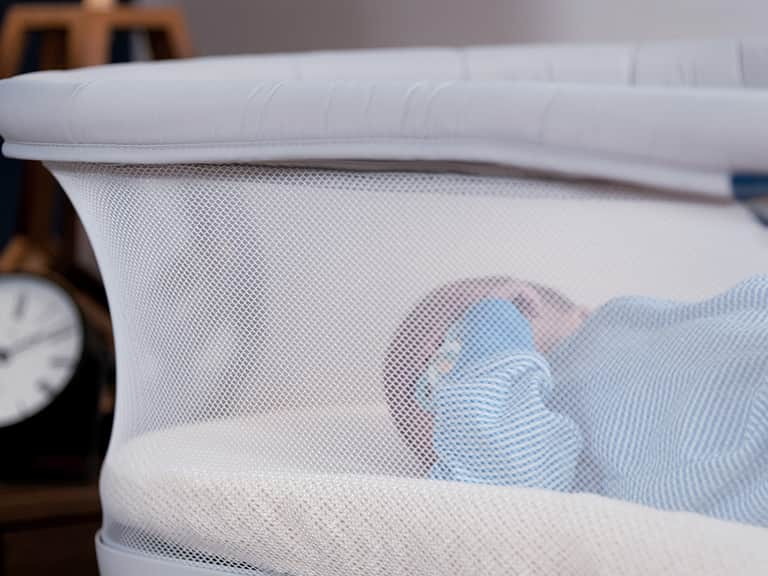
  • Naturepedic Organic Breathable Bassinet Mattress for Halo
  • Naturepedic Organic Breathable Bassinet Mattress for Halo (listed product for reference)

Note: We emphasize safe, non-toxic materials for baby spaces, aligning with a health-first approach to indoor air quality.

Shopper’s Practical Quick-Start

A quick-start checklist to choose a room-size ready HEPA unit: measure room, set target ACH, estimate CADR, and compare models for noise and energy use.

  • Room dimensions and volume
  • Target ACH and AQI goals
  • Noise tolerance and energy use

A note on maintenance: plan for filter replacement costs and frequency to avoid surprise expenses.

Brand Spotlight: Trusted Names

We compare several models and brands that readers already recognize, focusing on room-size compatibility, replacement filter costs, and long-term reliability.

  • Naturepedic
  • Casper
  • Austin Air Systems

Always verify current model availability and updated CADR specs directly from manufacturer sites.

Three key historical and contemporary figures shaping indoor air quality

Air quality is not just a product category; it’s a continuum that stretches across centuries. Here are three remarkable individuals who illustrate the evolution from early science to modern consumer understanding, spanning different time periods.

Florence Nightingale (1820–1910)

A pioneering nurse and advocate for sanitation, Nightingale’s observations linked hospital air quality to patient outcomes. Her emphasis on clean environments laid the groundwork for modern infection control and environmental health principles that echo in today’s indoor air quality standards.

Why she matters here: her insistence on controlled, clean environments informs contemporary thinking about how air quality supports health, particularly in patient rooms, nurseries, and care facilities.

Legacy: elevated hygiene as a public health imperative; early recognition of the link between air and well-being.
Raymond A. H. AHAM and early CADR conceptors

While not a single historical figure, the AHAM standardization movement and early CADR researchers collectively shaped how we measure room air cleanliness. Their work, spanning the mid-20th century, translated lab-tested filtration performance into consumer-facing metrics that guide today’s room-size units.

Why he matters here: CADR-based comparisons became a practical language for homeowners evaluating air purifiers, bridging science and everyday decision-making.

Legacy: standardized testing that translates complex filtration data into actionable purchasing guidance.

Current-day influencer: consumer health communicators and engineers

Today’s experts blend engineering rigor with accessible storytelling. They translate CADR, ACH, and energy use into clear guidance, infographics, and practical tips—helping families navigate wildfire seasons, seasonal allergies, and urban air challenges with confidence.

Why she/he matters here: modern health communication ensures that readers without a technical background can still evaluate room-size HEPA units effectively and responsibly.

Legacy: credible, consumer-focused education that empowers everyday readers to improve indoor air quality safely and affordably.

Product spotlight and practical picks

In keeping with a practical, People Magazine-inspired voice, here are a few real-world products that exemplify room-size ready filtration. Note: availability and models evolve; always verify current specs before purchasing.

Image: Naturepedic Bassinet Mattress

Naturepedic Organic Breathable Bassinet Mattress for Halo Halo Bassinets

A softly engineered, organic, breathable surface designed for newborn comfort with a waterproof backing. Free from polyurethane foam, vinyl, and PVC, it emphasizes safe sleep and clean air interactions in nursery environments.

Price: $49.00

Notes: Non-toxic materials; easy-to-clean cover; 3D breathable surface helps airflow around the baby.

Image: Den Apron

Den Apron, 50/50 Cotton-Hemp

A practical, cross-back strap apron designed for kitchen and garden use. Breathable fabric and dry-hand feel support long tasks with a simple, versatile silhouette.

Price: $125.00

Notes: Cotton-heritage blend emphasizes comfort and durability; a tasteful nod to everyday cleanliness and practical living spaces.

Practical how-tos: room-by-room filtration planning

Practical steps you can implement today to improve indoor air quality, paired with planning for future improvements as seasons change or activities shift.

  • Start with the largest room that affects daily life (living room or master bedroom) and calculate its volume.
  • Choose a purifier with a CADR that meets the room’s CADR target and fit it in a central location away from walls and obstructions.
  • Prefer models with auto modes or intelligent sensors that adapt to air quality variations, reducing energy use.
  • Plan for filter replacement costs and schedule, factoring in the room’s use pattern.

Maintenance and upkeep

Maintaining a room-size ready HEPA unit is essential for long-term performance. Replace filters on schedule, clean outer housings regularly, and monitor noise levels as an indicator of evolving performance needs.

Regular maintenance sustains CADR and energy efficiency, ensuring the unit continues to serve your space well across seasons.

Safety and accessibility notes

Choose units with easy-to-access filters and clear indicators. For households with children or pets, ensure cords are out of reach and that the device placement minimizes tripping hazards and maximizes airflow.

Accessibility-friendly guides and plain-language explanations help readers of all ages understand key metrics and maintenance steps.

This article is part of an educational hub on HEPA filters and indoor air quality. For more detailed standards and historical context, explore our glossary and standards overview pages.

Suggested topics: how to calculate air changes per hour, HEPA vs. other filtration technologies, and long-term maintenance calendars.

Related Products

Den Apron

Society Limonta

Den Apron

Feel comfy all day with this cotton-hemp apron, thanks to cross-back straps that stay secure and comfortable. It’s lightweight, dries fast, and suits both kitchen and garden tasks with a clean, versatile look in neutral tones.
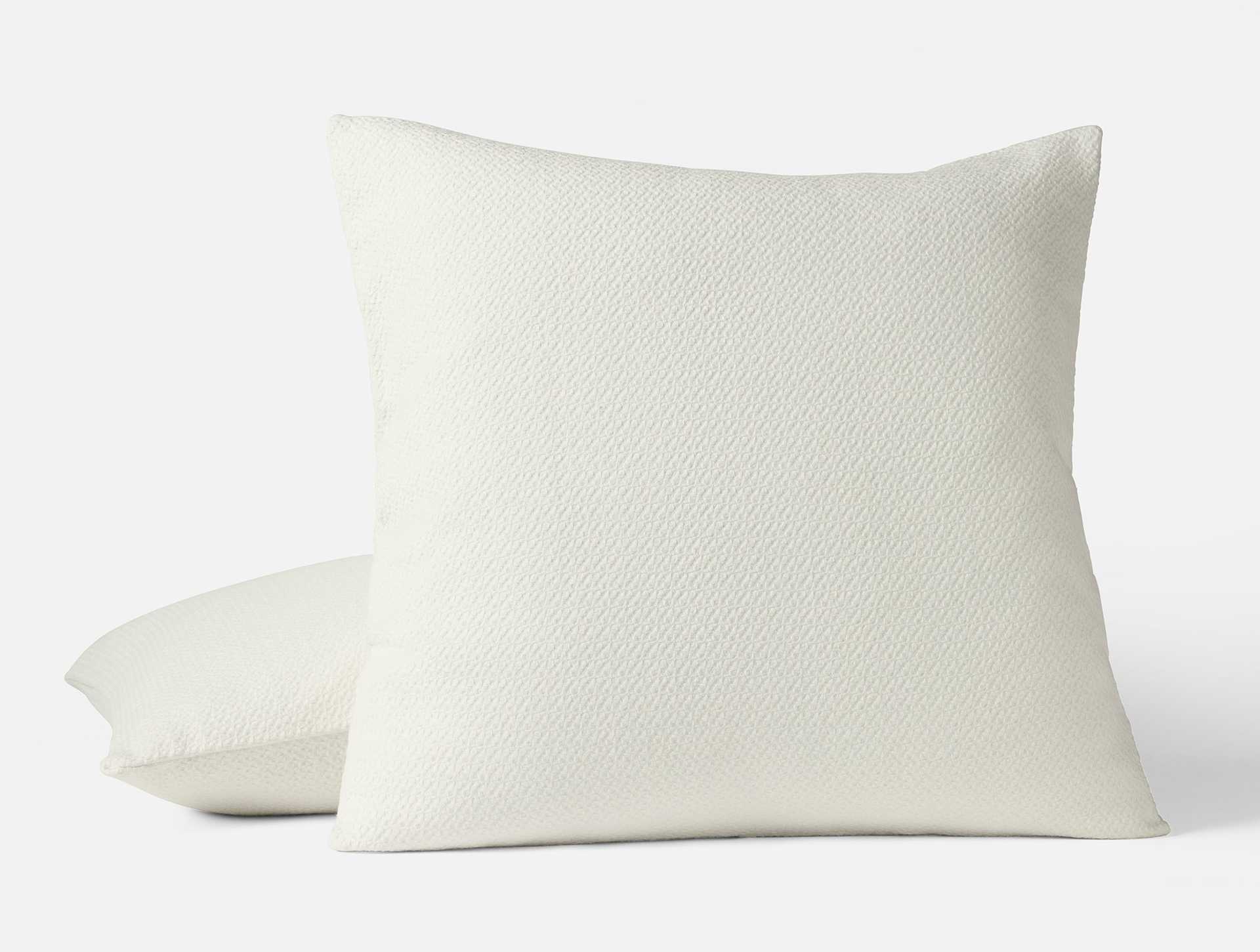
Honeycomb Organic Euro Sham

Coyuchi

Honeycomb Organic Euro Sham

Experience soft, durable comfort with 100% GOTS organic cotton, a textured jacquard feel, and a clean knife-edge finish. Easy care—machine wash cold, tumble dry low—keeps color and shape for daily use. Envelope closure for secure, neat look.
Naturepedic Organic Breathable Bassinet Mattress for Halo Bassinets

Naturepedic · No. MH4

Naturepedic Organic Breathable Bassinet Mattress for Halo Bassinets

Sleep safer and cooler with a breathable, organic bassinet mattress for Halo — snug fit, non-toxic GOTS cotton, no flame retardants, easy to wash, and a waterproof layer that protects messes while keeping baby comfy.

Theme